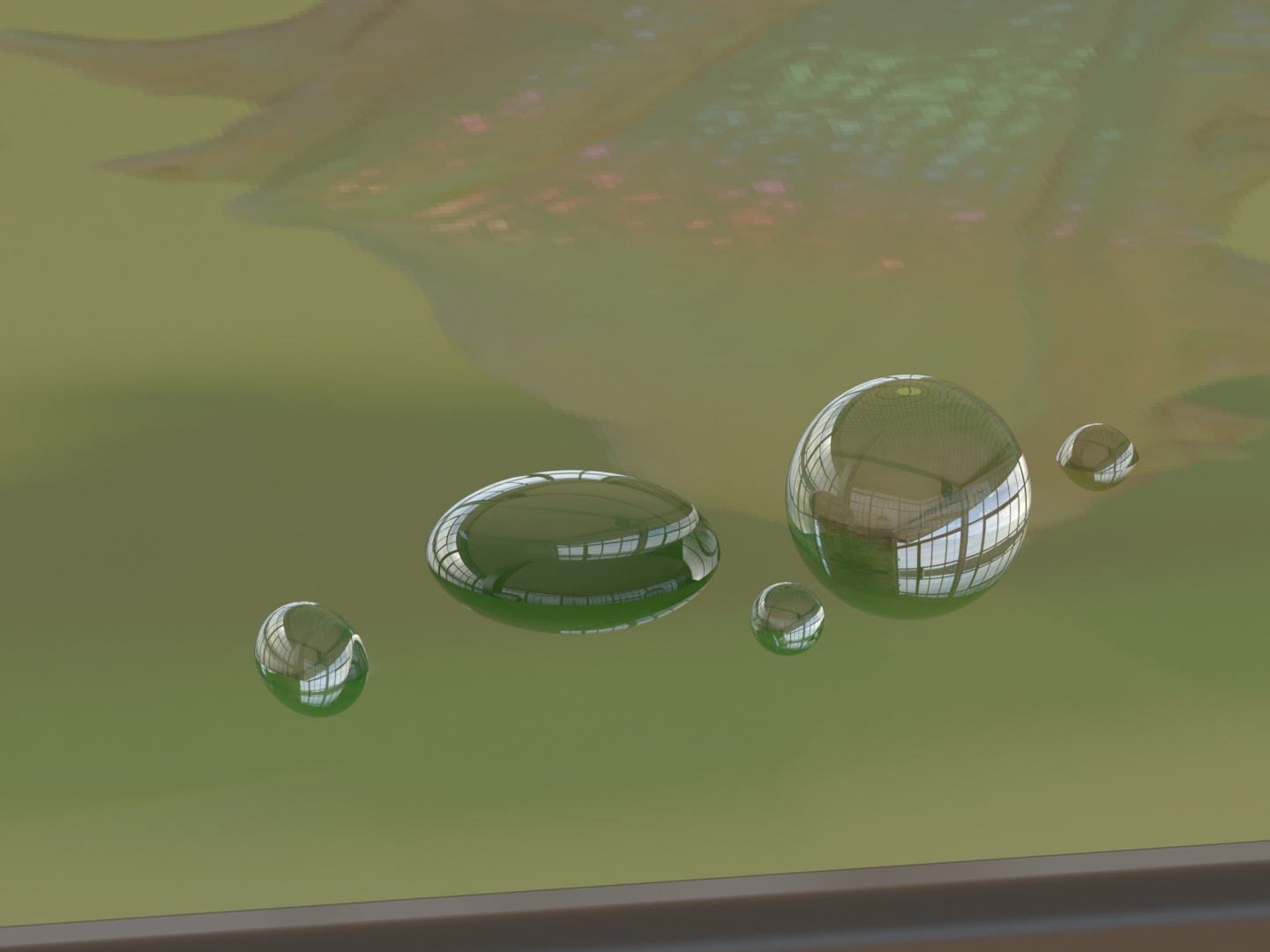
Accurately modeling display performance is challenging when teams need to move forward before full-system prototypes are available for validation. Engineers often rely only on component data or incomplete specifications, making it difficult to predict real-world behavior and identify appearance issues before prototyping.
The objective of this project was to recreate and simulate the behavior of a smartphone display (OnePlus 12) using publicly available data, in order to:
- Predict display appearance and brightness under real conditions
- Reconstruct emission behavior (intensity, spectrum, angular distribution)
- Evaluate performance beyond on-axis specifications
Step 1: Reconstructing display emission and surface behavior
The first step consisted in building a physically accurate model of the display using available specifications, capturing:
- Spectral behavior of emitted light
- Intensity-dependent emission
- Angular distribution of brightness
- Screen reflectivity and surface properties
From this data, a predictive model was created to simulate both emission and reflection behavior, ensuring consistency with real-world measurements.
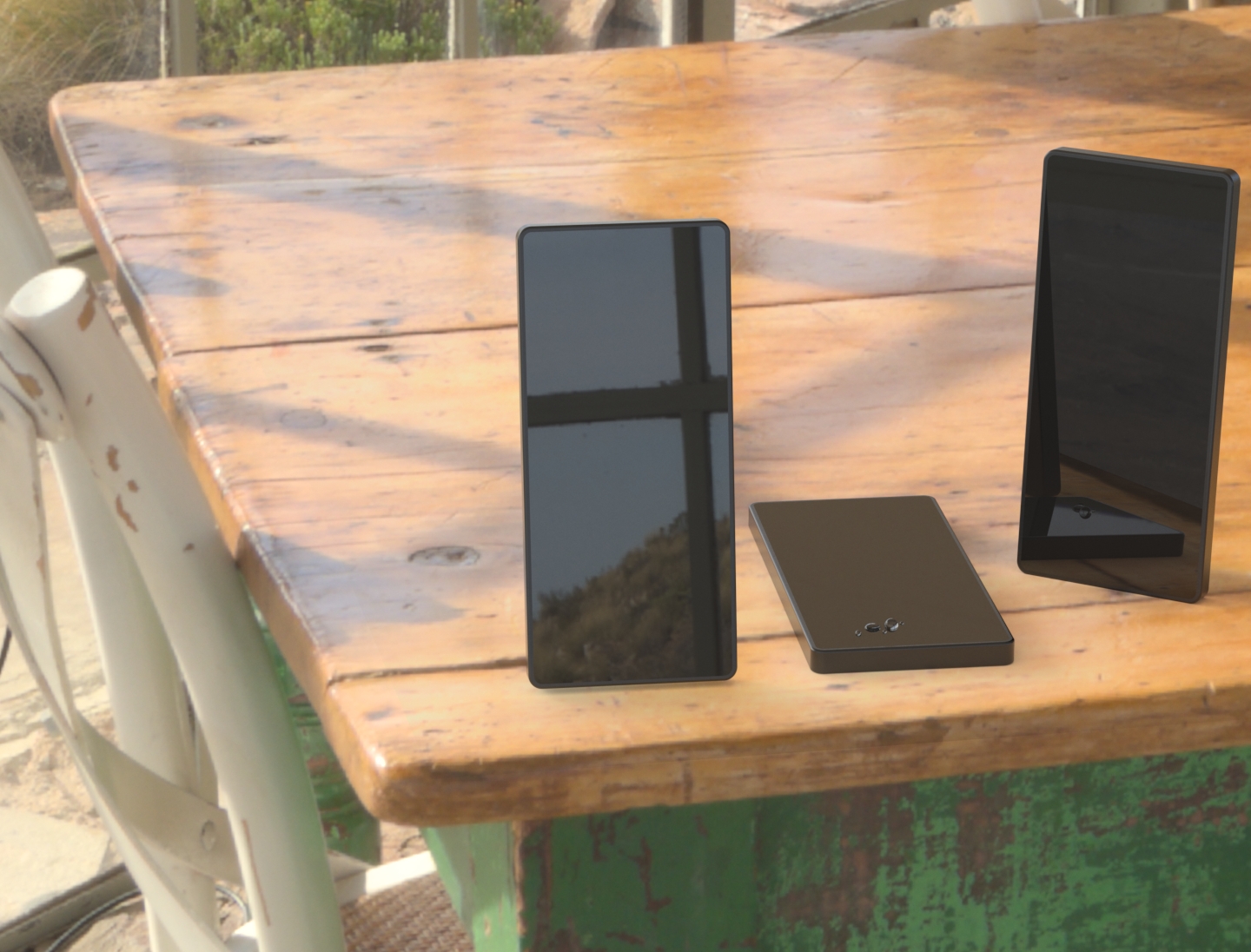
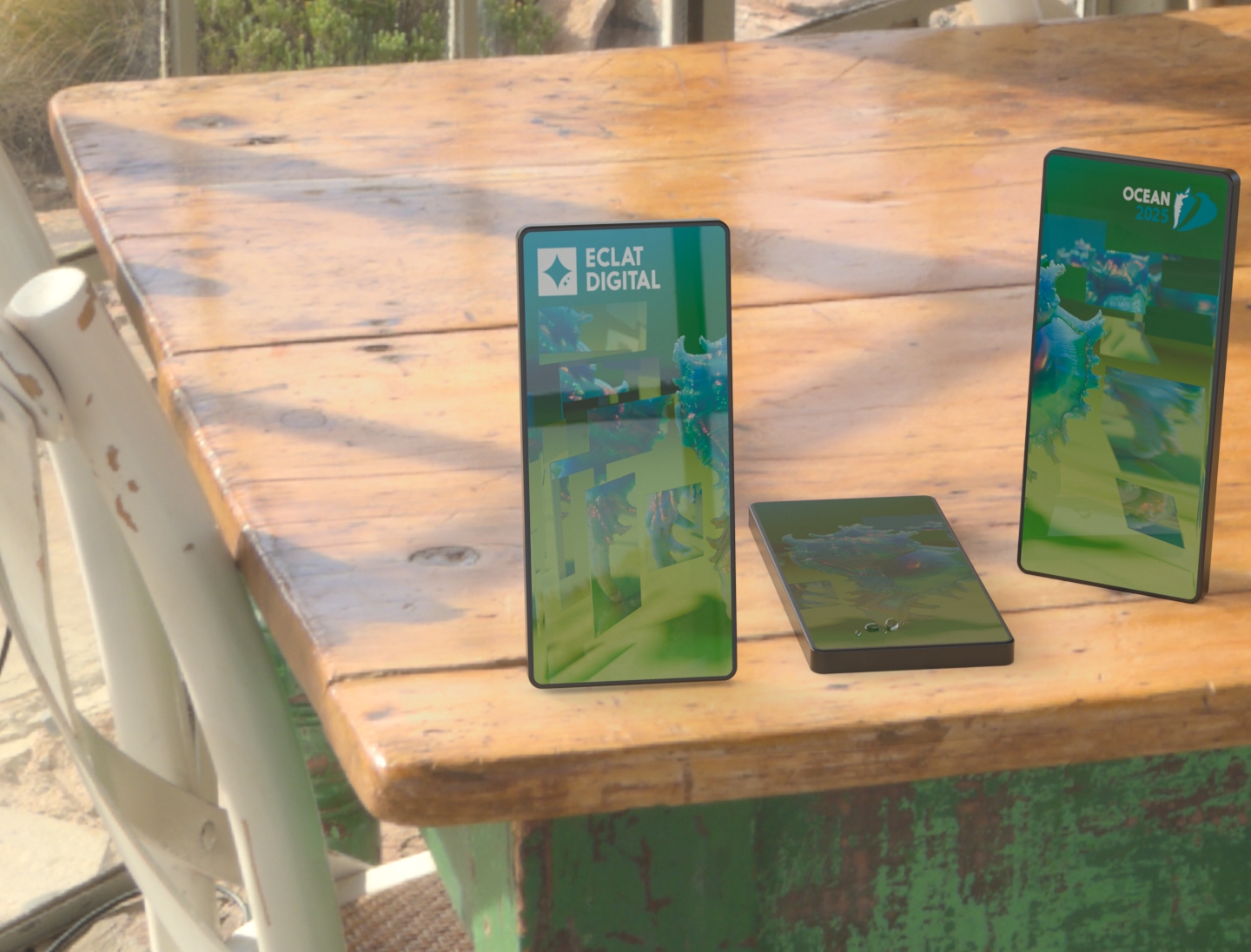
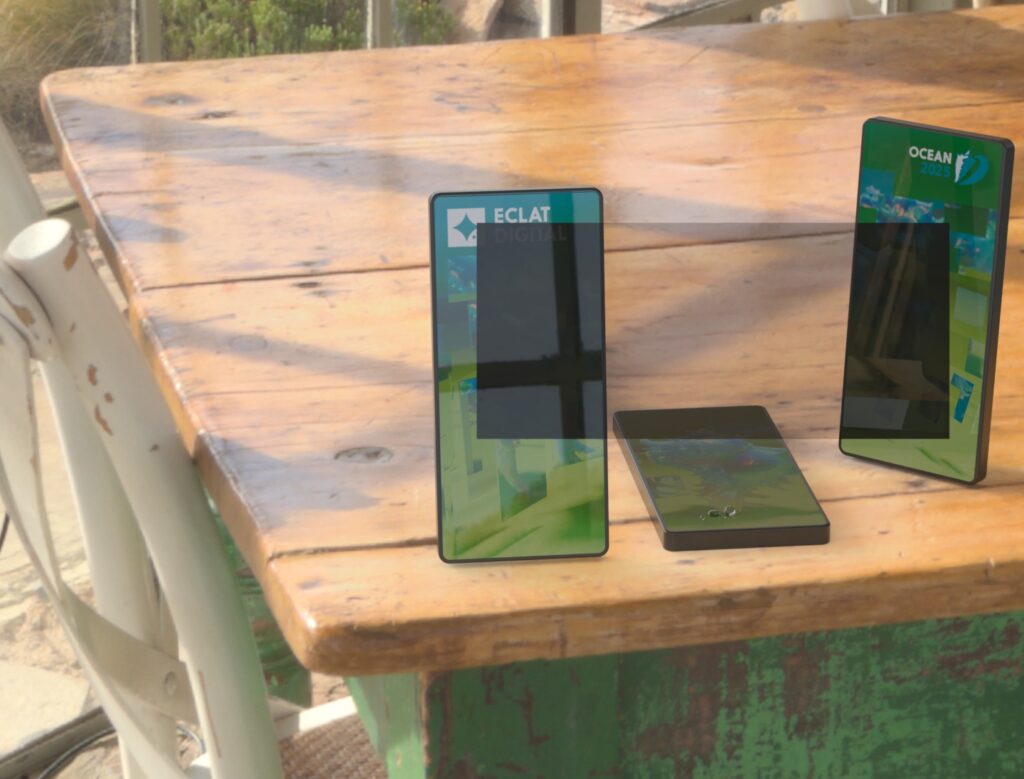
OnePlus 12 phone in situ simulations, with screen off.
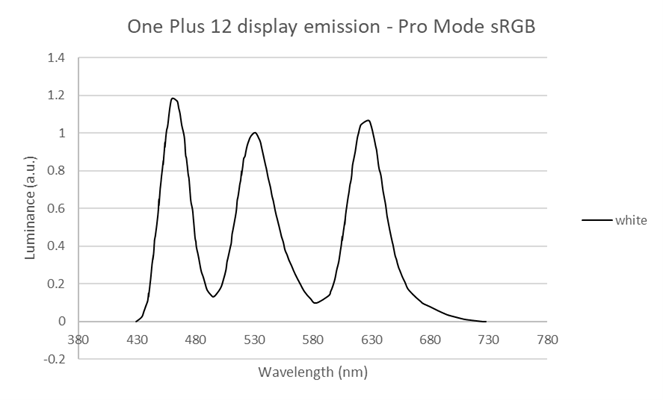
White spectrum of the OnePlus 12 display in Pro Mode sRGB
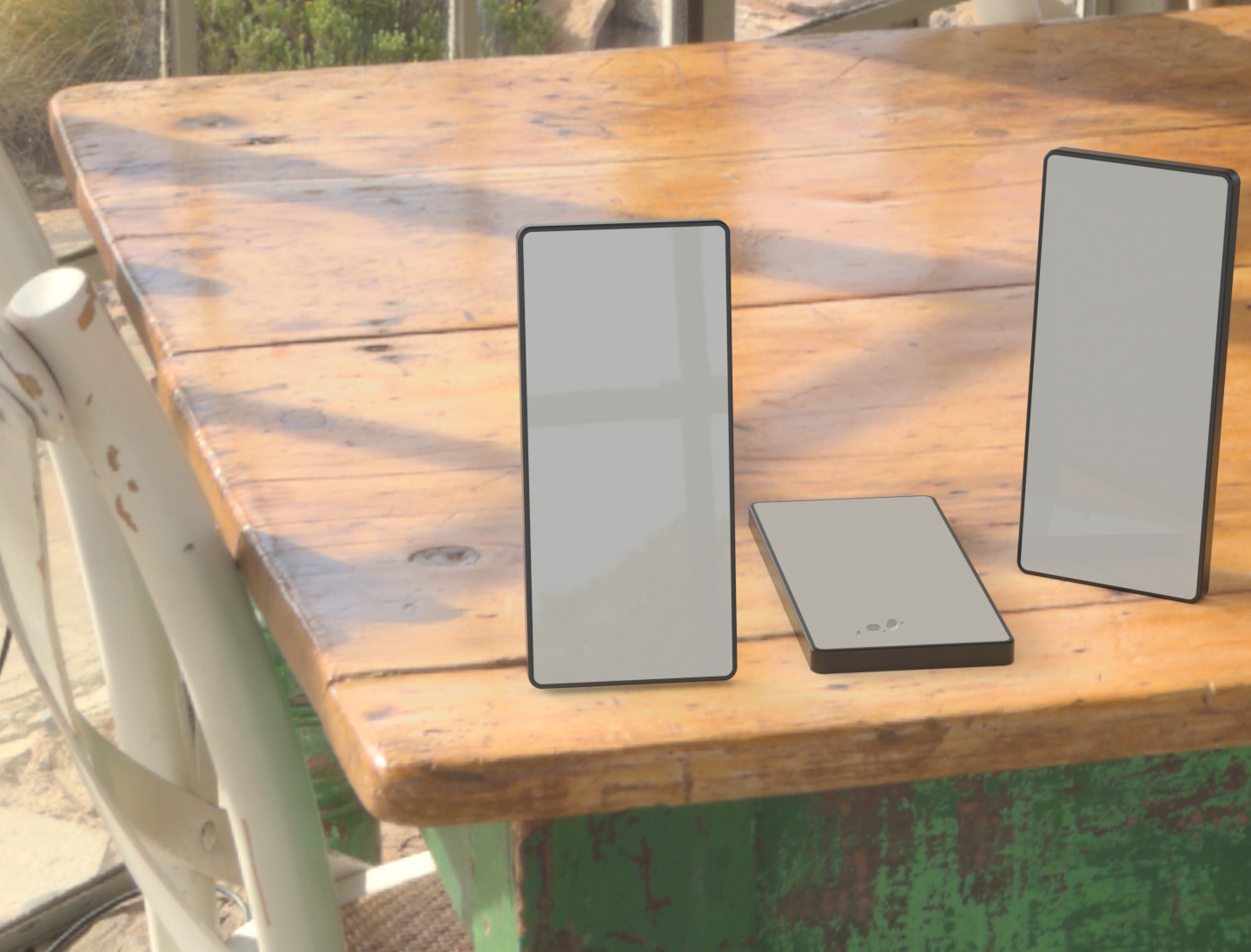
Lambertian emitter with white spectrum.
Step 2: Refining the model for advanced visual effects
To further improve realism and predictive accuracy, additional parameters were introduced:
- RGB channel decomposition for accurate color rendering
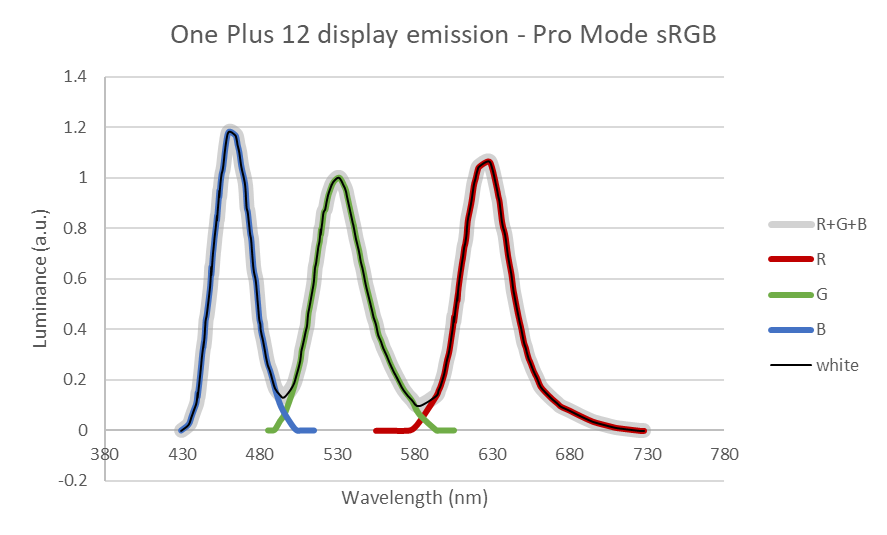
RGB decomposition of the white spectrum
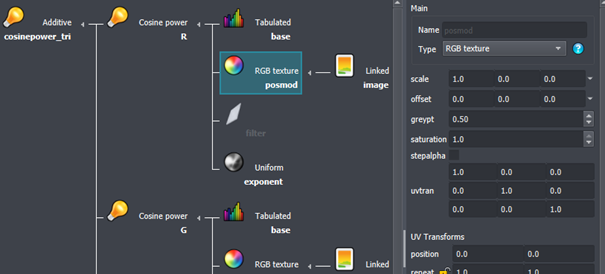
Emitter decomposition as three individual color emitters
- Custom intensity scaling to reproduce display gamma behavior
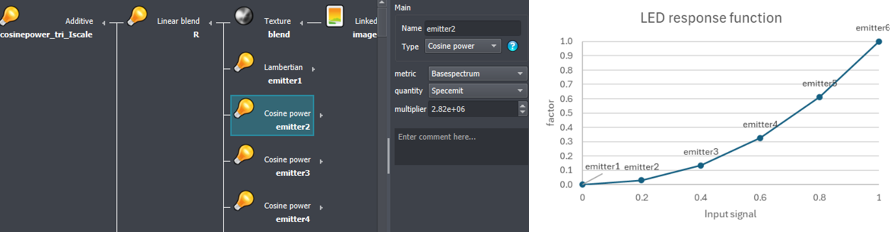
Multi Emitter structure with one linear blend for each color channel, to reproduce custom intensity scale.
Visualization of custom gamma curve
- Optional effects such as polarization and subpixel structure:
These refinements allow simulation of both macroscopic performance and fine visual effects impacting user perception.
Step 3: Simulating display performance under real conditions
Using the reconstructed model, the display can now be simulated to evaluate specifications and standards quch as brightness drop-off across viewing angles, color rendering accuracy, or contrast and perceived image quality
What this enables for engineers:
- Predict user-perceived performance, not just on-axis specifications
- Validate design choices before physical prototyping
- Compare display behaviors under real world usage conditions
- Identify performance limitations early (angular loss, color shift, contrast issues)
Results & key outcomes:
In this use case, Ocean™ demonstrates the ability to build predictive display models from measured datasets, even before physical prototypes are available, enabling early validation of performance and appearance
-
Accurate reconstruction of display emission behavior
-
Ability to simulate display appearance in real conditions
-
Reliable prediction of brightness and color across viewing angles
-
Reduced dependency on proprietary or exhaustive input data
For this project, publicly available data was sufficient to build a consistent and predictive model of the display. Thanks to physically-based optical simulation, engineers can anticipate performance and explore design variations without requiring full characterization or early prototypes.
Turning display specifications into predictive visual simulations
With this article, we demonstrate how Ocean™ can be used to:
- Build reliable digital twins from measured data
- Predict real-world visual behavior (not just specs)
- Go beyond datasheets when needed
- Control both appearance and optical physics
- Root causes of system-level artifacts invisible at component-level
Validate appearance and performance
Accelerate design iterations
Get the physical prototype right the first time


Q&A
Can you build a reliable display model without full proprietary data?
Yes.
This use case shows how a physically consistent display model can be built in Ocean™ using only publicly available specifications (e.g. DisplayMate reports).
In this way, you can simulate competitors, suppliers, or early concepts without waiting for complete datasets.
How does this go beyond standard display specifications?
Traditional specifications describe performance (brightness, reflectivity, color), but not how the display is actually perceived.
Ocean™ translates these parameters into real world visual behavior, including:
- angular brightness loss
- color rendering
- contrast in context
This enables users to move from measured data to predicted user perception in real conditions.
What if some data is missing or incomplete?
Missing parameters (e.g. polarization, subpixel structure) can be introduced in Ocean™ using physically consistent assumptions.
User can fill gaps in measurement data and still obtain reliable simulations, reducing uncertainty early in the design process.
Can you evaluate both appearance and optical performance together?
Yes.
Ocean™ combines:
- emission modeling
- BSDF and reflectivity
- spectral and angular behavior
For a display application, this enables to simultaneously optimize contrast, readability, color fidelity, glare… within a single simulation environment
Can this approach reveal effects that are hard to prototype?
Yes.
The simulation enables visualization of effects that are difficult or costly to reproduce physically, such as:
- pixel structure visibility
- magnification effects (e.g. through droplets)
- angular performance variations
This appraoche helps anticipate edge cases and avoid late-stage surprises.