

Display performance is strongly impacted by surface treatments. In real-world conditions, anti-glare coatings influence reflections, contrast, and perceived image quality. The objective of this client’s project was to evaluate the performance of their new anti-glare surface treatment (iSTAR by AGC) for display applications, and compare it with standard PVD coatings, considering:
- Visual appearance (haze, reflections, color stability)
- Optical performance (light diffusion, contrast impact)
- Integration within a full optical stack (display + glass + coatings)
Step 1: Capturing surface and modeling surface behavior
The first step consisted in characterizing the surface treatment, capturing:
- Surface topography (etching + ionic implantation effects)
- Light scattering and diffusion properties
- Spectral optical behavior
Using this data, coating configurations were integrated into a display system simulation to evaluate their impact on reflection levels, contrast degradation and perceived image quality.
This step ensures that the simulation reflects the real physical behavior of the material, and enables analysis at system level, not just at component level.
Step 2: Evaluating anti-glare treatment under real conditions
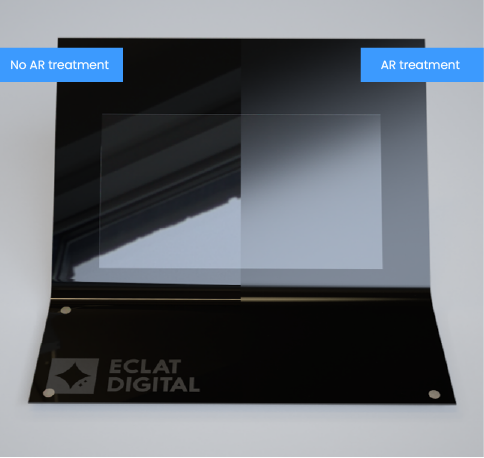
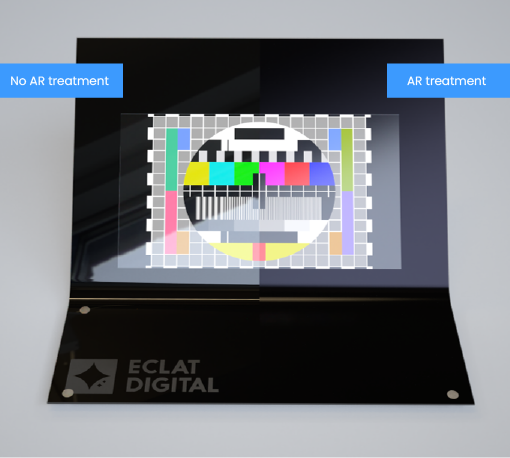
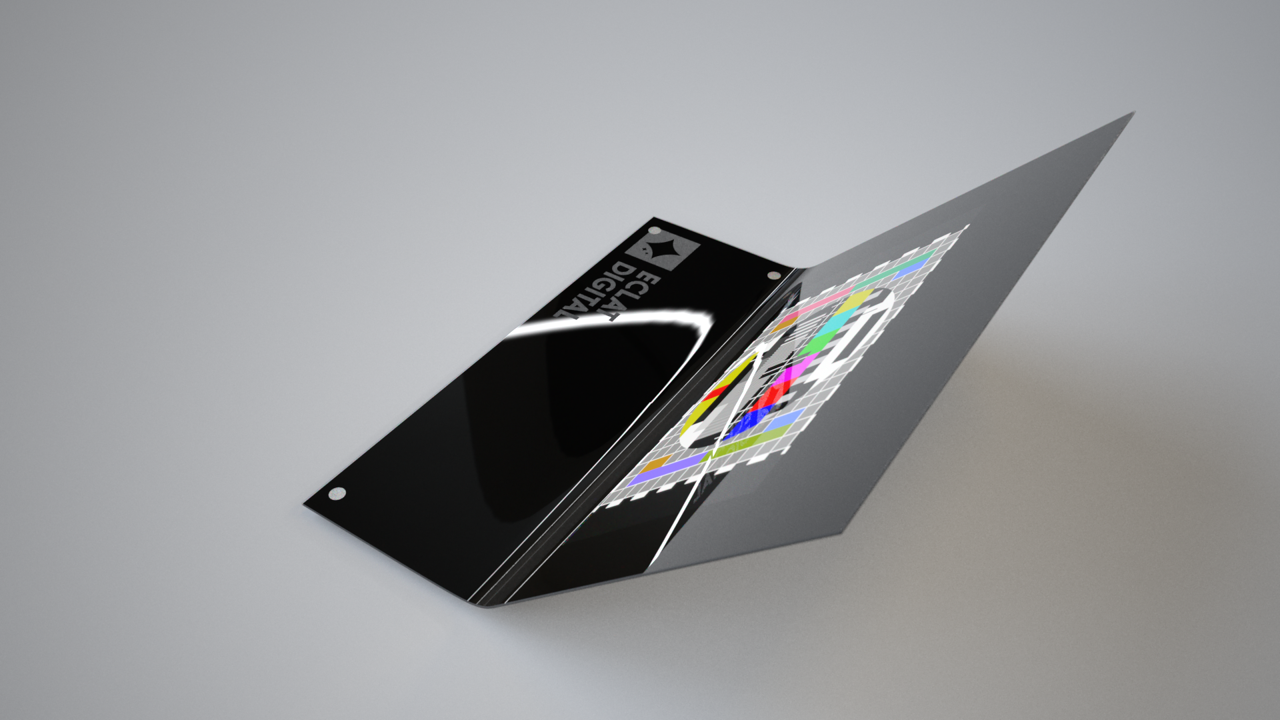
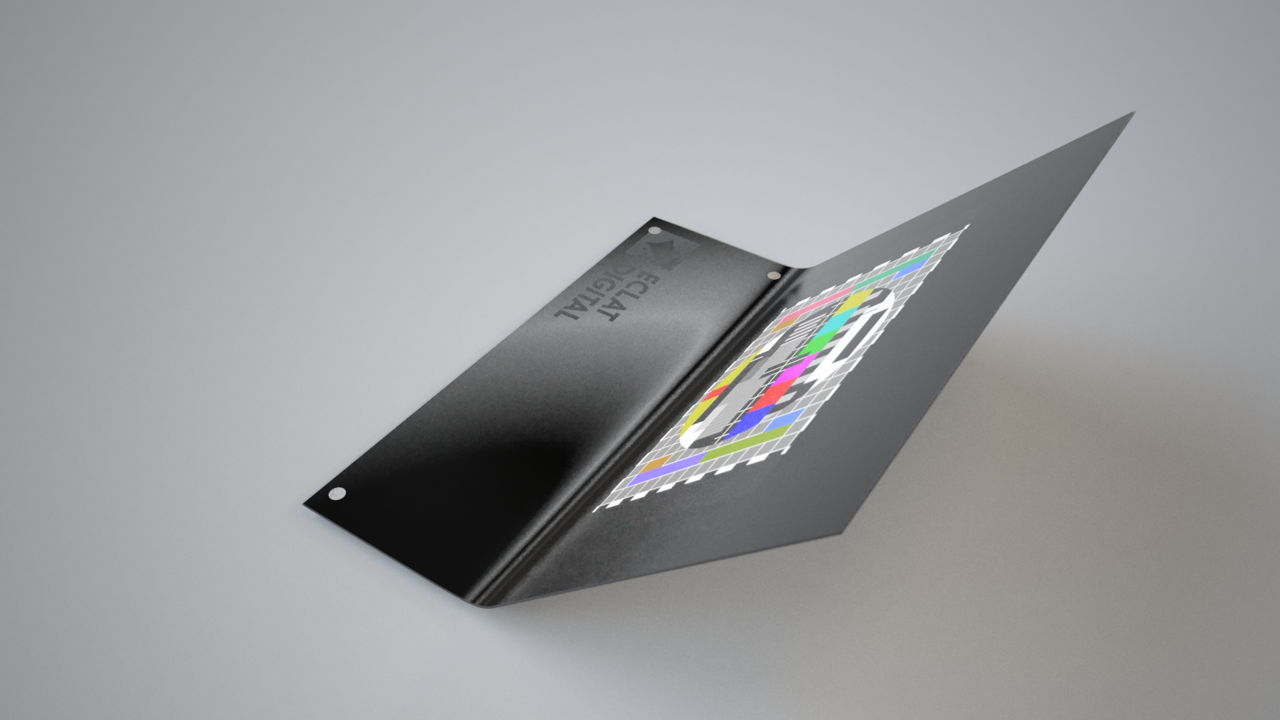
A first comparison was performed between untreated display glass and anti-glare treatment by etching. Simulations were carried out with the display OFF and ON, then across multiple viewing angles to allow precise assessment of:
- reflection reduction
- impact on readability
- angular behavior of the treatment
Ocean™ accurately models microscopic surface features such as etching and propagates their effects to full system level, across the entire optical stack. This capability ensures predictive simulation of real-world performance for reliable decision-making.
Step 3: Comparing advanced coating strategies
A second comparison focused on two combined solutions:
- Anti-glare (etching) + anti-reflective PVD coating
- iSTAR solution: anti-glare (etching) + anti-reflective treatment by ionic implantation
The objective was to compare and evaluate glare reduction efficiency, contrast preservation and overall visual comfort. This step highlights the trade-offs between different coating technologies and supports informed material selection.
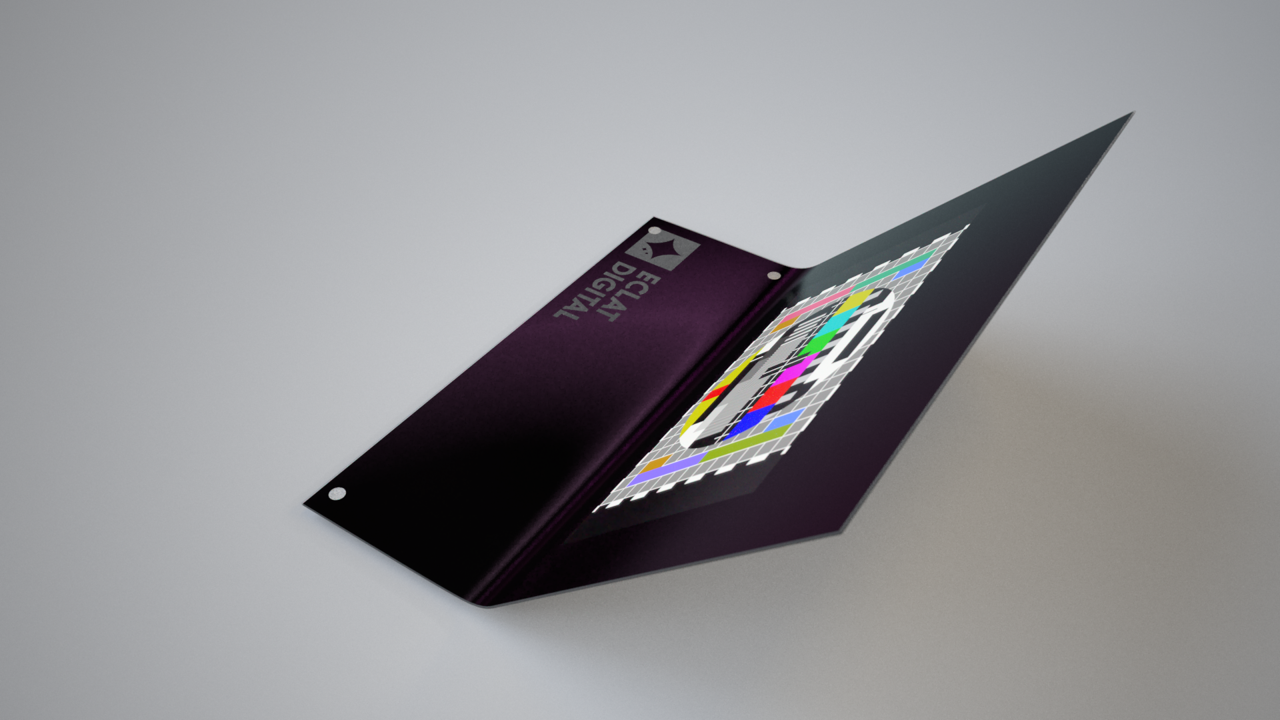
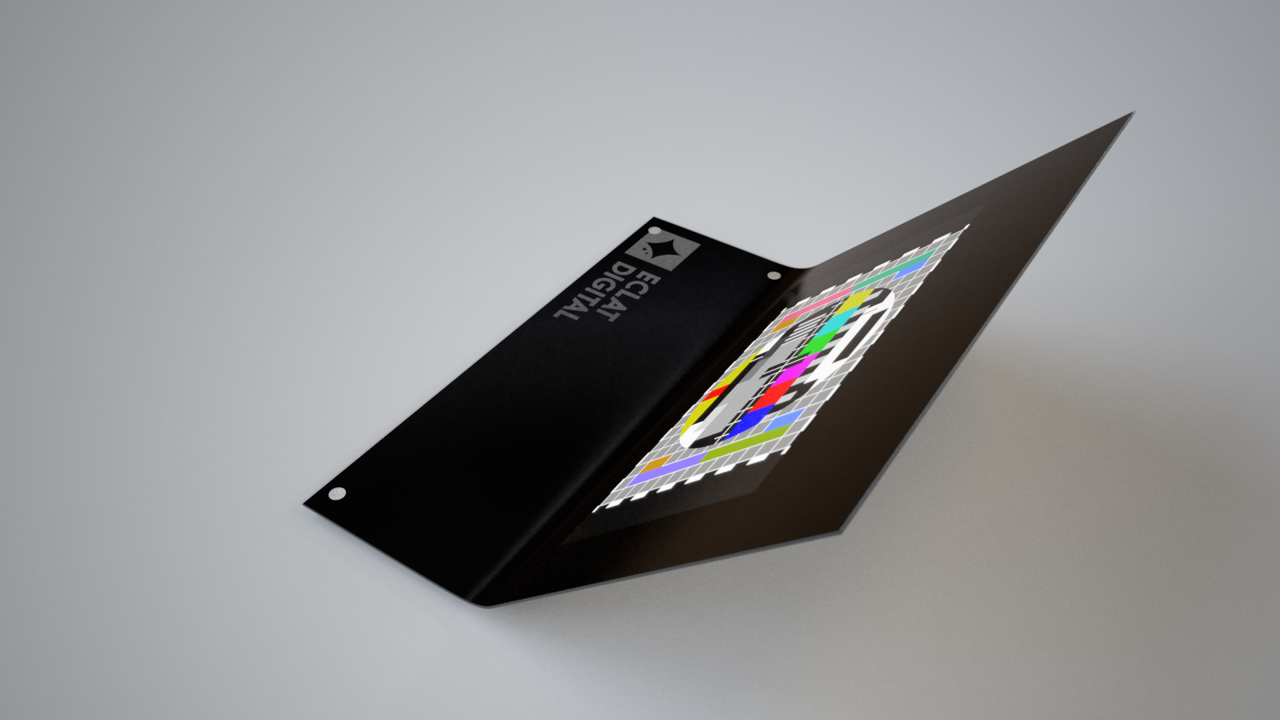
Results & key outcomes:
In this use case, Ocean™ enables data-driven decisions on display performance before manufacturing, reducing uncertainty in coating selection and system integration.
-
Reliable prediction of perceived image quality
-
Quantified trade-offs between glare reduction and contrast
-
Clear comparison between coating strategies
-
Reduced need for physical prototypes
For this project, advanced surface and optical characterization methods were combined to ensure accurate simulation of the display system. Thanks to predictive optical simulation, new coating strategies can be evaluated quickly and without relying on early-stage physical samples.
Validate appearance and performance
Accelerate design iterations
Get the physical prototype right the first time

