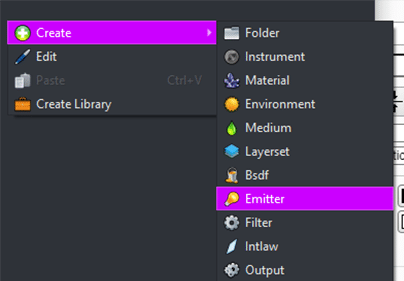
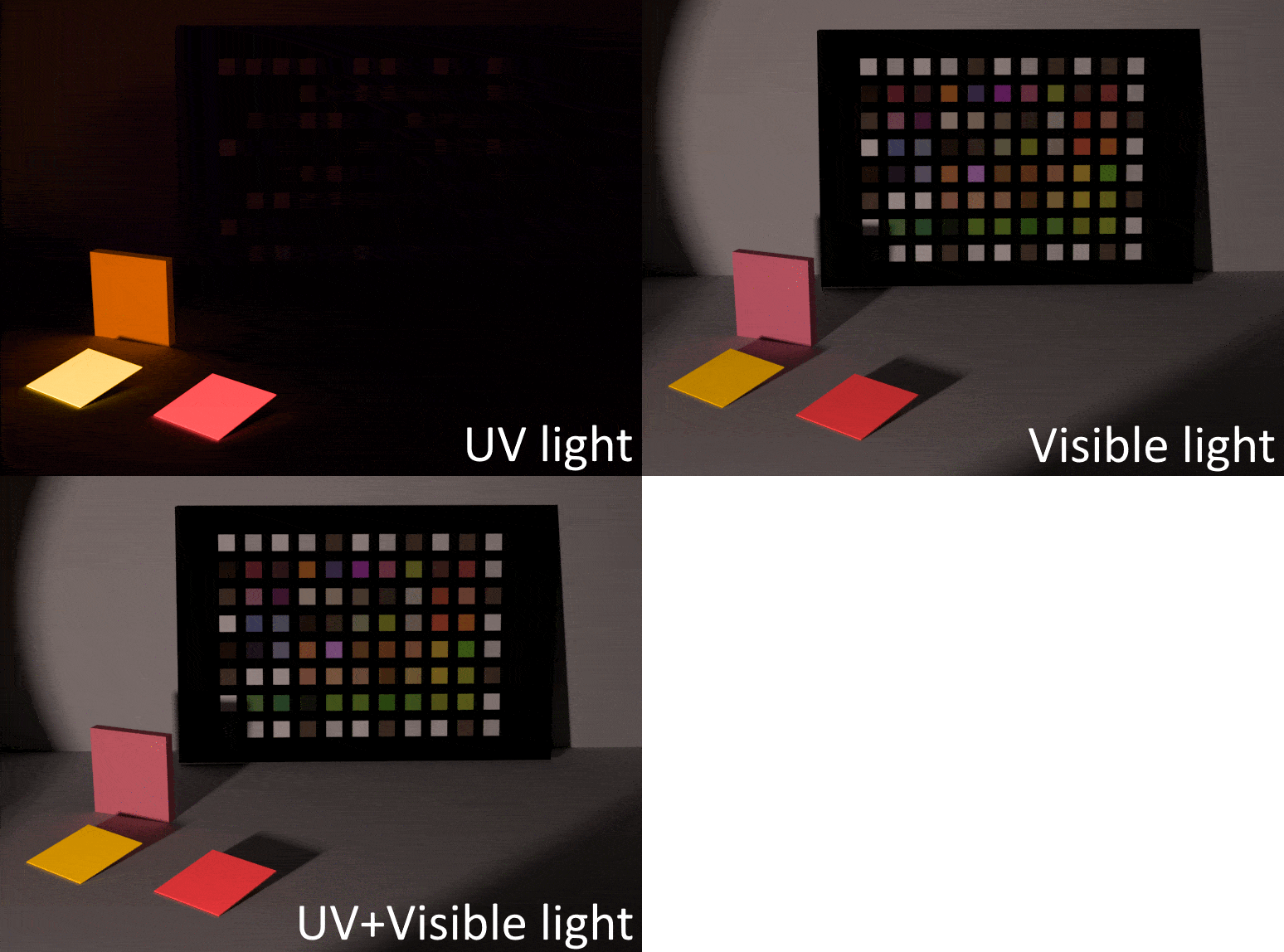
- Surfacic fluorescence implementation
- Polarisation enhancement and stabilisation
- Standard camera uniformisation
- Sky importer module development
- New collider integration (Embree)
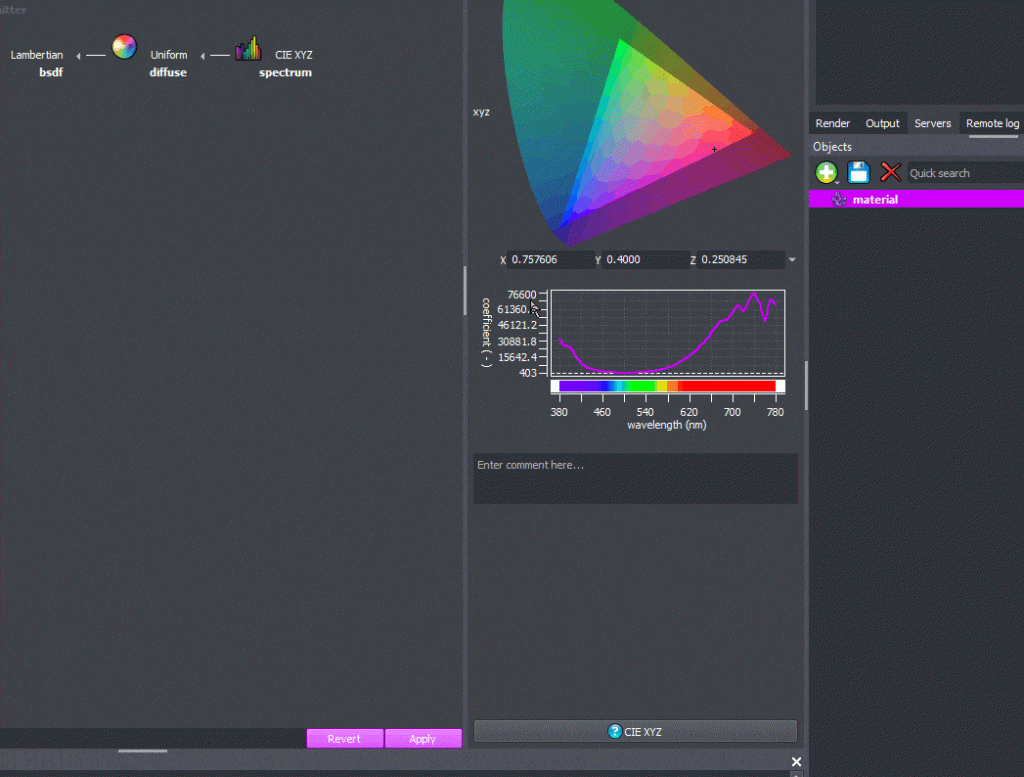
- Spectrum visualisation tool enhancement
- Layerset improvement
- Default Exportation format upgrade
- Layerset improvement
Physical models
Fluorescence

Sticky paper under UV light only, visible light only and UV+visible light
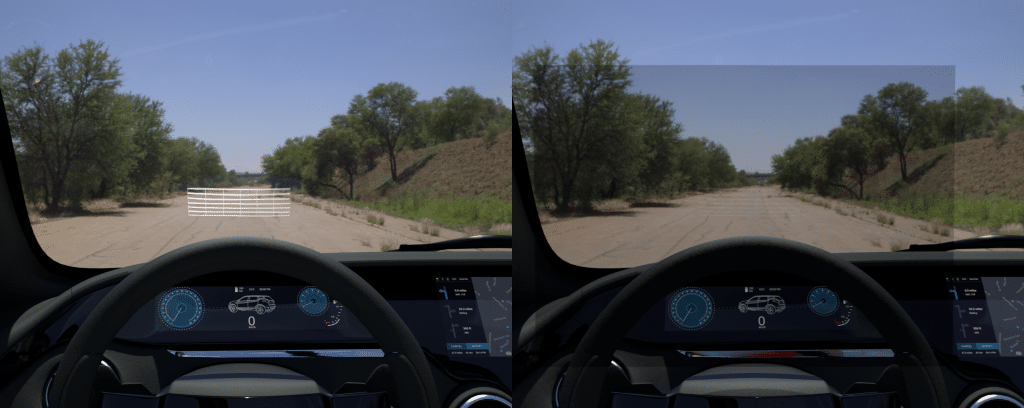
Polarisation
Polarization is well present in our everyday life, even though it is almost not perceptible by human vision. For instance, polarization effect is used for polarized sunglasses to reduce glare from reflecting horizontal surfaces (snow, sea). It is also involved in photography with polarizing filters, for example to darken the sky and to increase contrast, or also to reduce or even eliminate parasiting reflections.
In Ocean™ 2021, light polarization properties are calculated for each interaction with dielectric materials (transparent materials such as glass or opaque materials such as metals), allowing to simulate all the aforementioned phenomena. Moreover, Ocean™ being a spectral path tracer, the polarization states of light is computed for each wavelength during the simulation, guaranteeing a level of accuracy and a result that is ever closer to reality. This feature includes for instance ideal reflection and transmission polarizers for instruments and lights, giving a fully embedded solution facilitating the user’s workflow to simulate complex devices such as polarized display systems.

HUD study example. Left image: classic HUD system, the image is visible. Right: classic HUD system, the image vanished since the driver wears polarized sunglasses.
Renderer
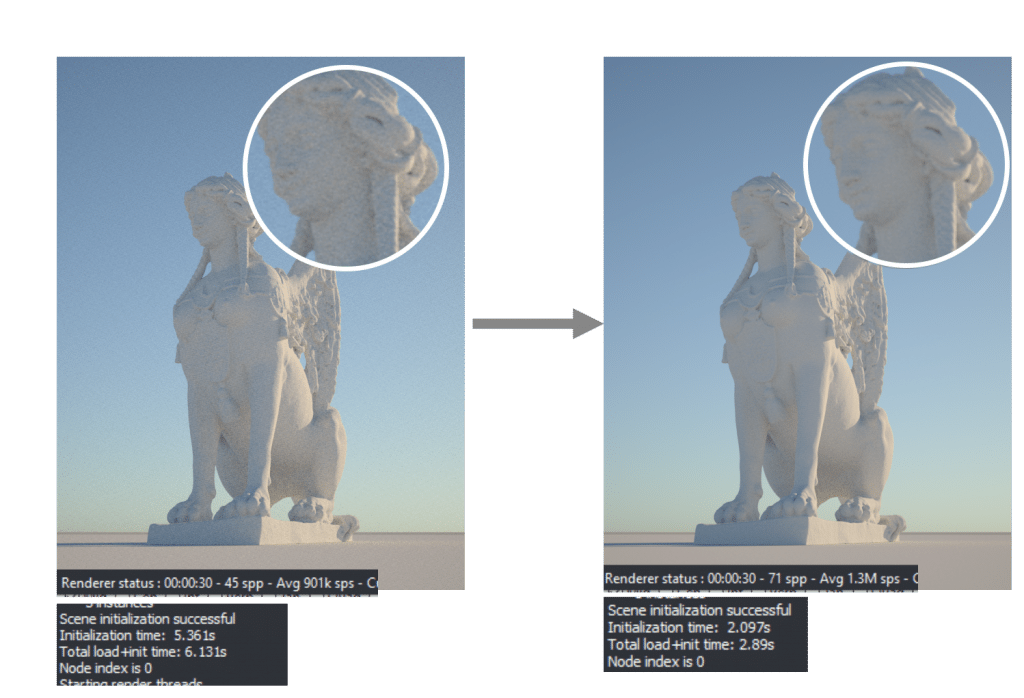
New collider integration (embree)

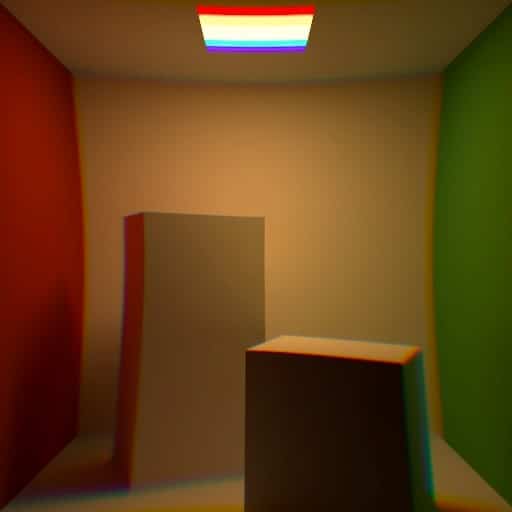
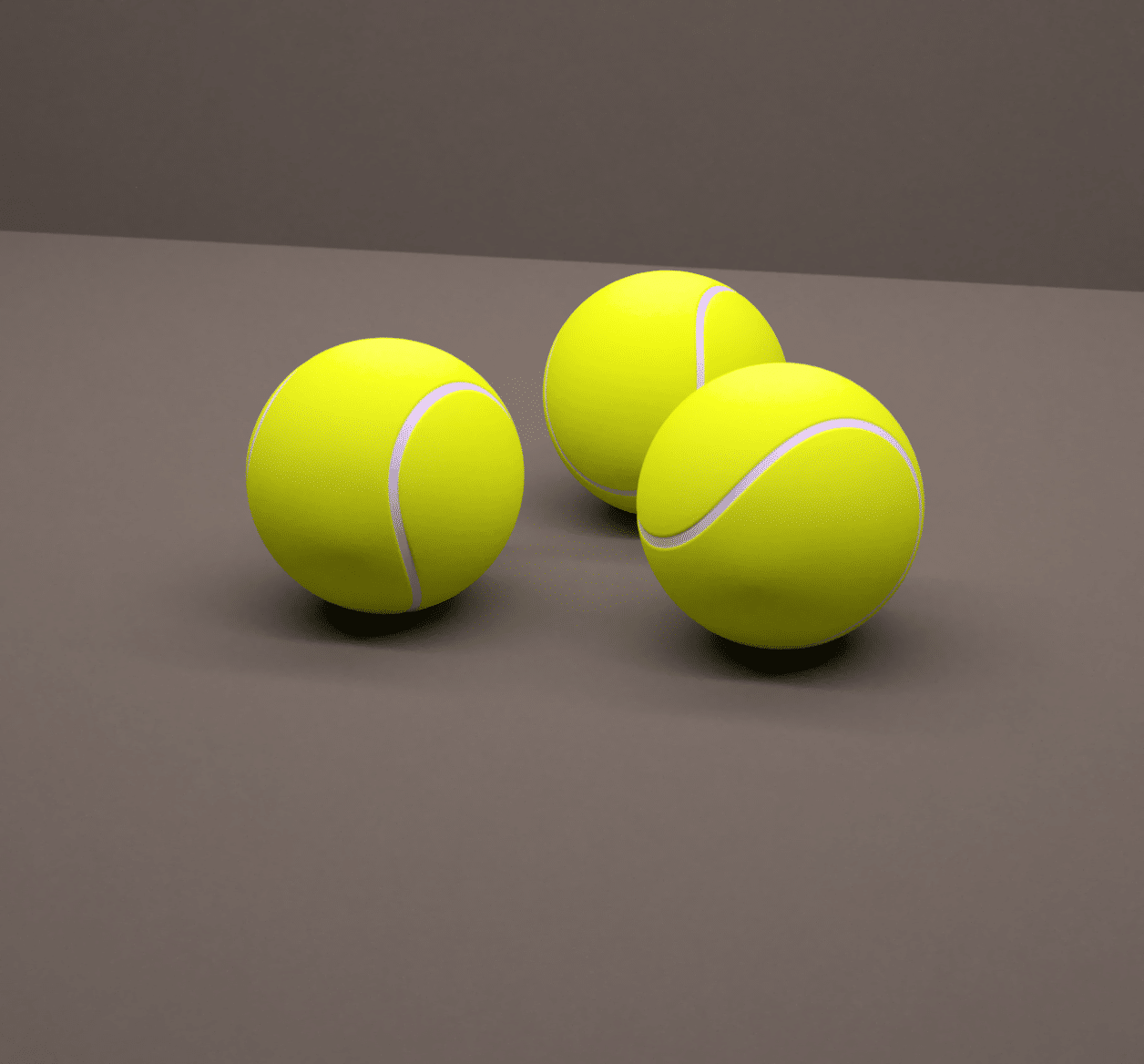
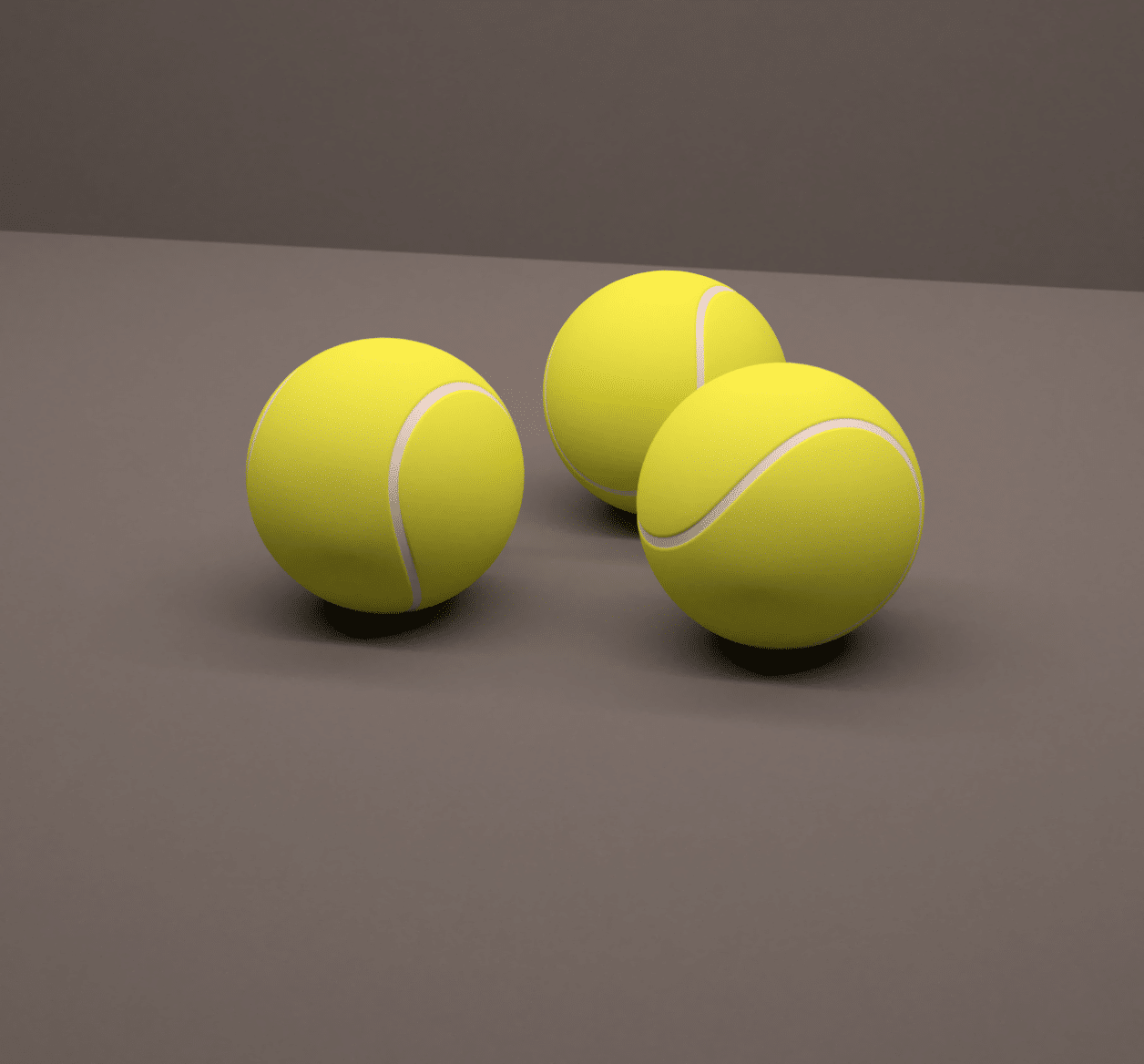
Left image: use of BART, Right image: use of Embree. Embree is faster in loading time and calculation speed but is less accurate than BART double
New Ocean™ tools
Standard camera
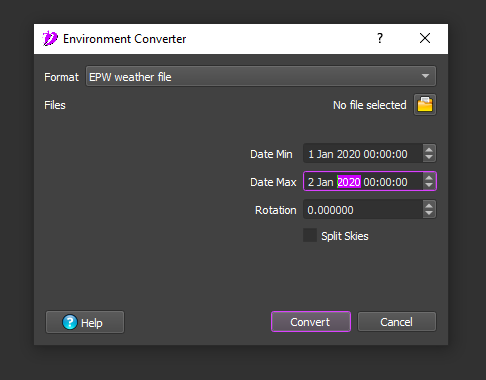
Sky importer

Sky Converter Screenshot

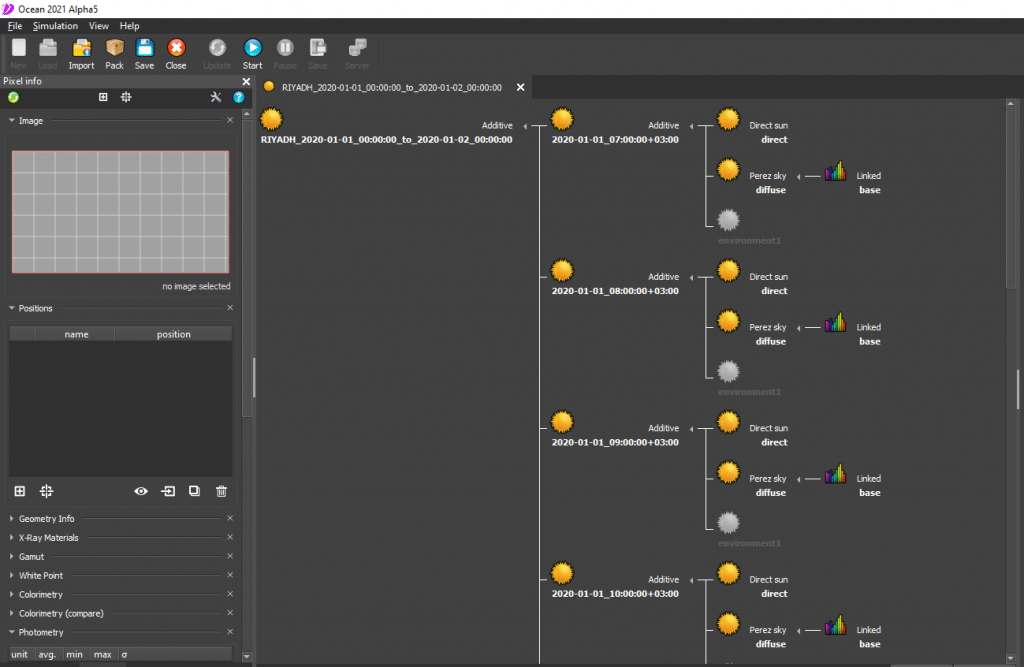
Corresponding result when not splitting at the import. Only one environment is in the object toolbox. The concatenated environment is an additive environment of sub-additive environments composed of a direct sun and a Perez sky.
User experience
Data visualization tool

Changing the units, range of values, and legends
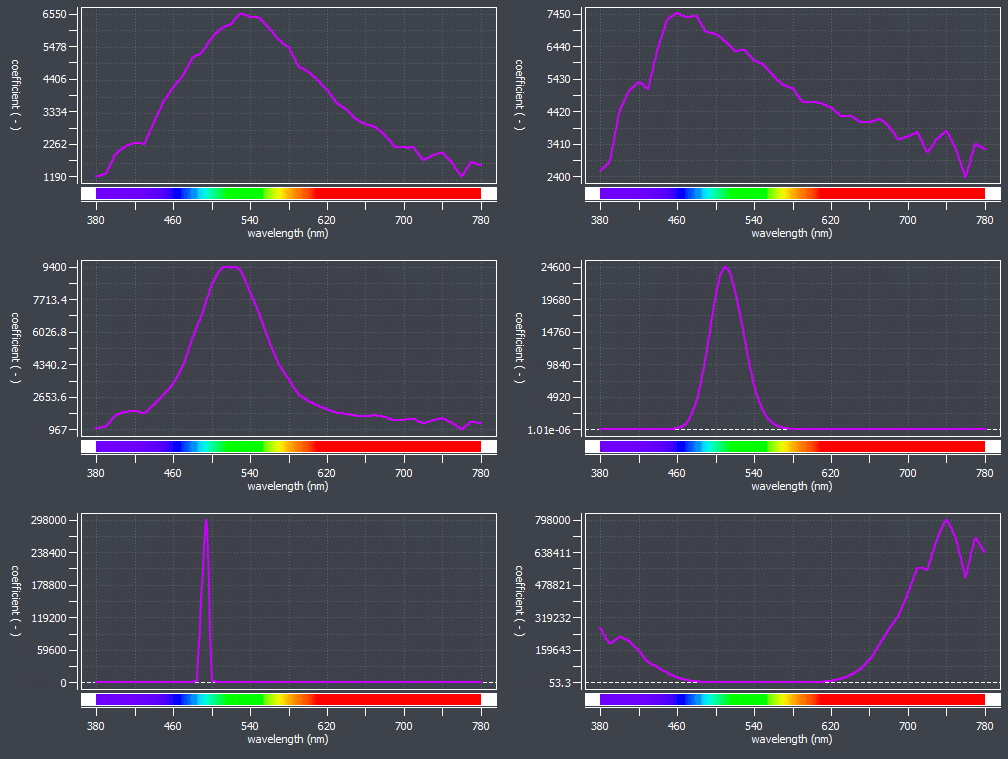
Adapting the visualization of a specific area of interest data
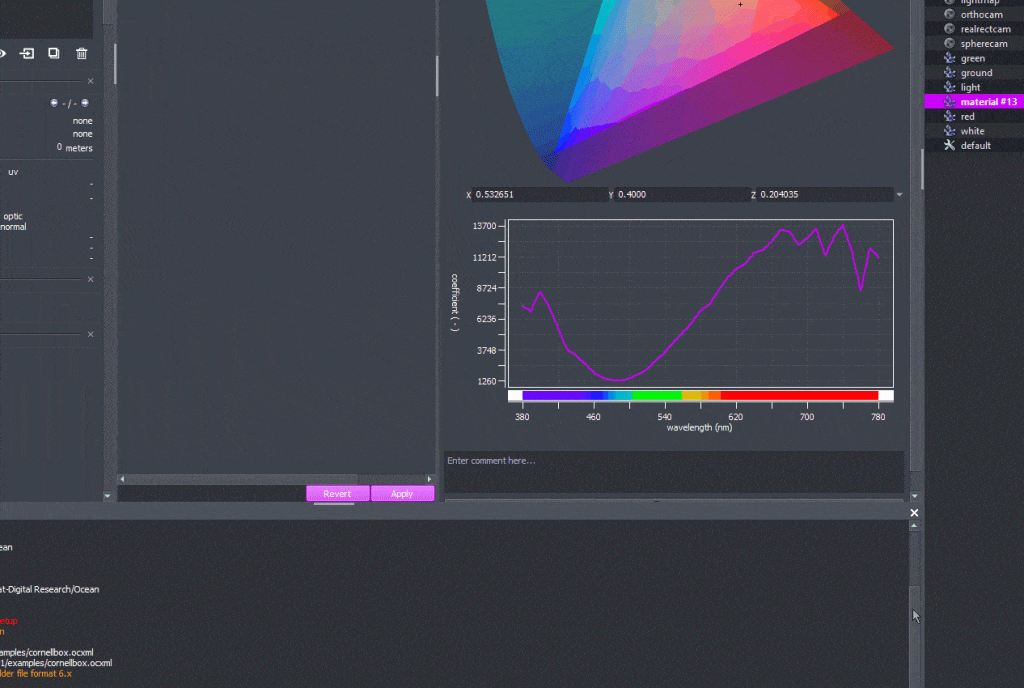
Copying the plot as an image and paste it to a presentation or a report
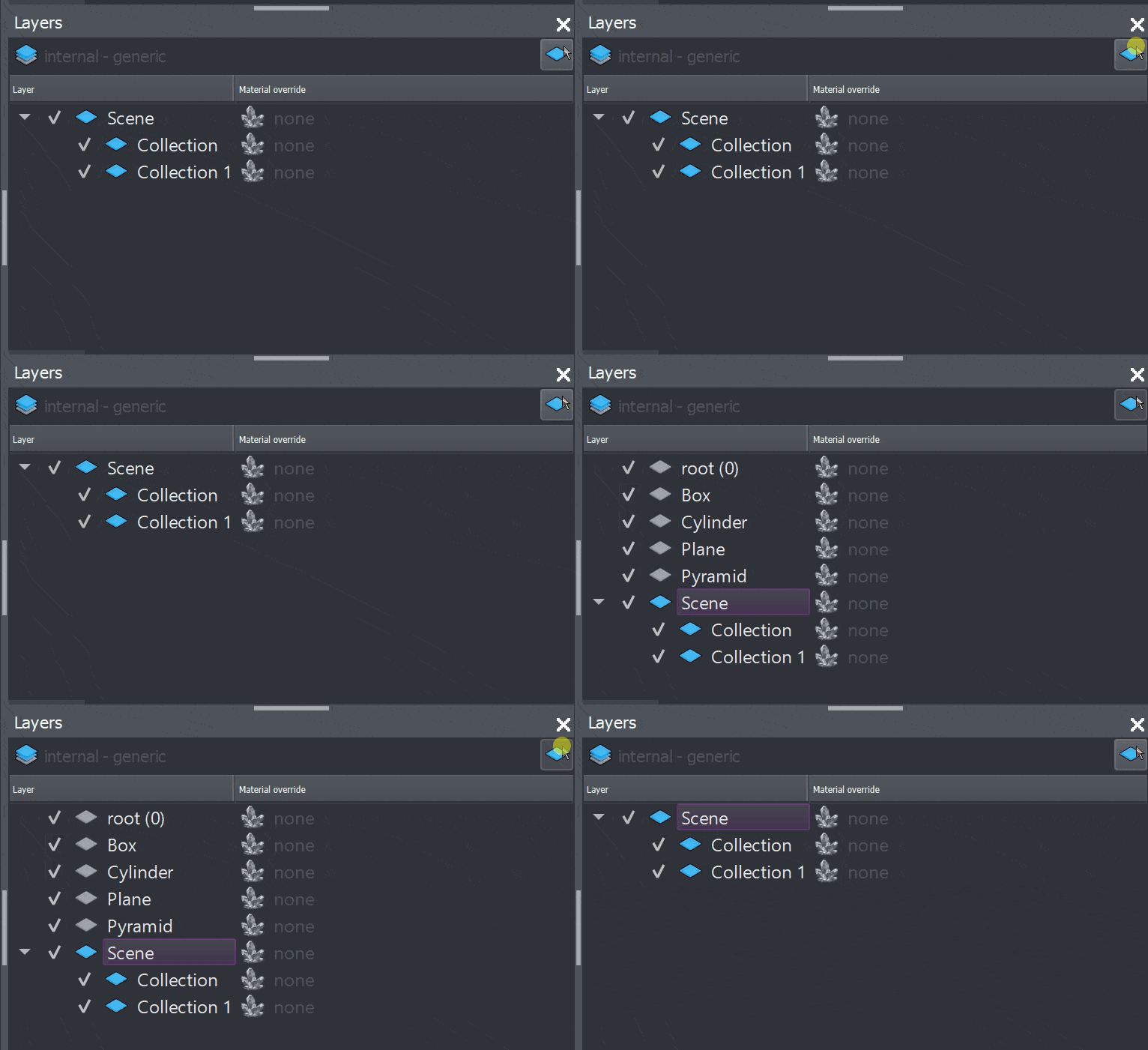
Layerset setting

Layerset merging
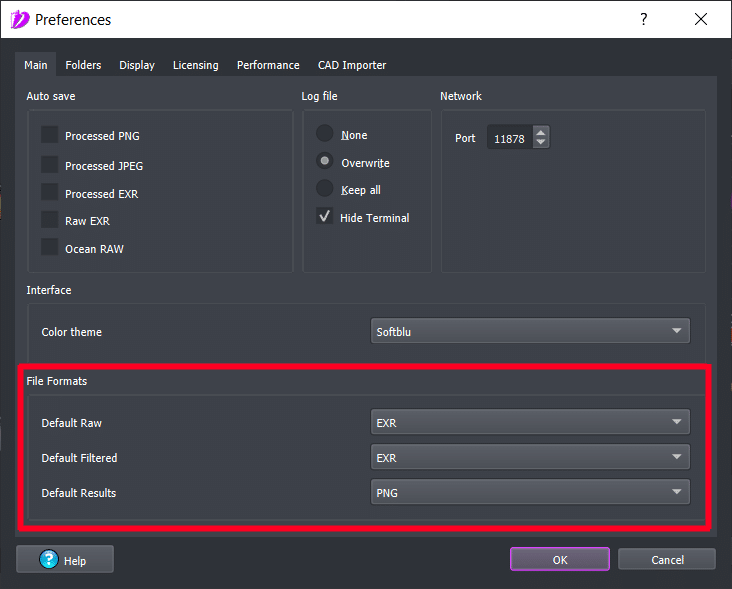
Default exportation format

Choosing your default format for each output file
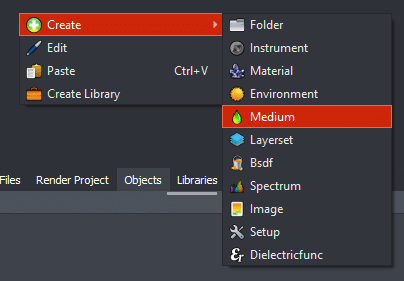
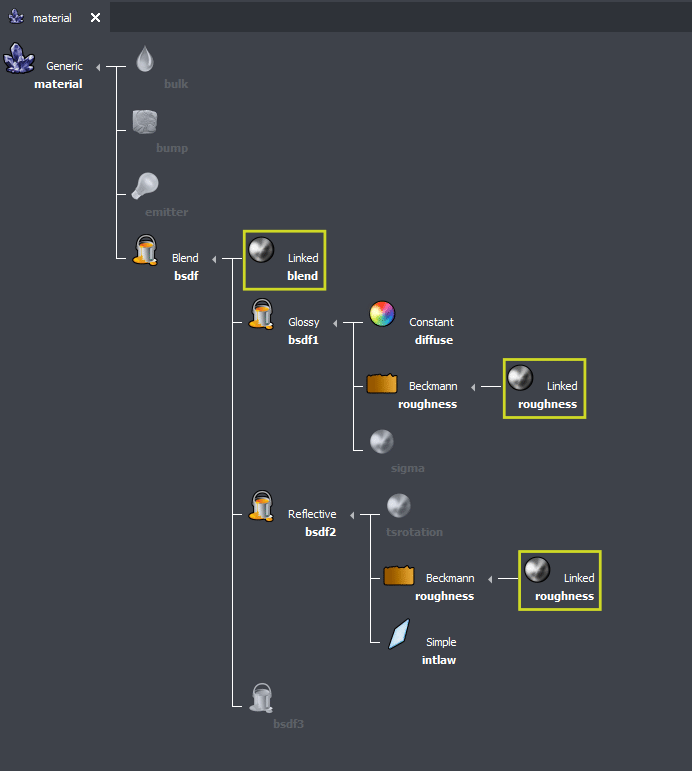
Linked node evolution

Example of a linked node generalising a parameter to different locations of a scene or material
Responses